This is what we have to look at; this is the past we don’t want to repeat. In front of us, there is only a void, a desert, nothingness. And behind the darkness of our past.
Lockdowns are over. It is time now for relaxation, but also concern.
In Ireland, restrictions will gradually be lifted starting today. The European summer begins, and this change is welcomed, especially by hotels, businesses, and the tourism sector, all of which were strongly affected by lockdowns. The vaccination rollout to the population over 60 has been successfully completed. The number of people in Emergency Units has dropped. The problems with AstraZeneca are being left behind, and other vaccine providers are supplying European countries. All in all, everything seems to indicate that something like a safe return to normality is beginning to take form. Today is Europe, and later, if everything goes well, it will be the world that leaves this unexpected and terrible pandemic behind.
Meanwhile, I read the short story ‘Autopista del Sur’ (The Southern Thruway)[1] by the Argentine writer Julio Cortázar over and over again, looking for a key to interpret this moment, which we could call historical. Let me share with you some of the ideas that the reading has proposed to me, but first, some brief notes about the story.
One Sunday, a sudden and terrible traffic jam occurs in the suburbs of Paris. The traffic jam lasts for days; the drivers and passengers in the cars begin to befriend one another, offering friendship, emotional support, material help, and so forth. An improvised small community emerges among the drivers and passengers, and they begin to speculate about the cause of the traffic jam and offer possible explanations. Little by little, food becomes scarce, and the group must begin to organise themselves to stay safe and survive; they create surveillance systems, help the elderly, and even face the death of a driver. The circumstances are terrifying, and the characters of the story must face what has been called, since the beginning of time, “the dark side” of human nature: evil, selfishness and abuse. The author also shows us the friendship, empathy and even the love and passion that emerges between two characters. The story ends with the traffic jam dissolving. Little by little, the cars begin to move, slowly first and later at greater speed. As the hours go on, characters forget what happened and move on. The preoccupation with survival is left behind, and characters are now imagining the shower they would like to take when they get home, the bed they would like to sleep in, and what they assume awaits them after this extraordinary traffic jam. None of them looks back.
Would you agree that this story can be taken as a key to understanding our current times? Or, in other words, our current “traffic jam” called Covid? Could we take this story as a kind of message contained in a bottle thrown into the sea in 1966, which reached the shore in April 2021?
It seems to me that our current times are represented by the story’s end. We have begun to emerge from the longest lockdown ever, the saddest and also the one that witnessed the highest number of infections and deaths. Normality begins to reappear, and I ask myself: Are we going to forget what happened during all these months? Are we going to throw away this experience? Are we not going to reflect on what has happened between us? Are we not going to think about the wrongs that were done to us, the wrongs that we did to others, the good we did not do? Are we now forgetting while imagining what we will do once the restrictions are lifted, once we are finally free? But free for what? I ask. To buy again, to be enslaved again by the need created by a system that doesn’t give a damn about us? Are we not going to change the way we live?
This pandemic is the most horrifying experience we have had in a long time. In Europe, it is only compared with World War II in terms of lethality. Many people, fathers, mothers, siblings, and children died, and are still dying in countries like India, Brazil, Mexico or the United States.
The only way we can learn from this experience is to go deep and reflect on what it has meant. Look back and look at its eyes. The only way to escape is not forwards, towards conspicuous consumption, but towards all the evil that this pandemic has made evident: the abandonment in which poor countries former colonies are, the private rights of vaccines that are in the hands of pharmaceutical companies, the selfishness shown by some leaders when it comes to privileging their populations, the benefits that some corporate groups have tried to achieve and the pressure of economic groups to open economies prematurely and a long etcetera. This is what we have to look at; this is the past we don’t want to repeat. In front of us, there is only a void, a desert, nothingness. And behind the darkness of our past. The darkness this Covid-19 experience shows us contains the clarity we need to illuminate what is to come.


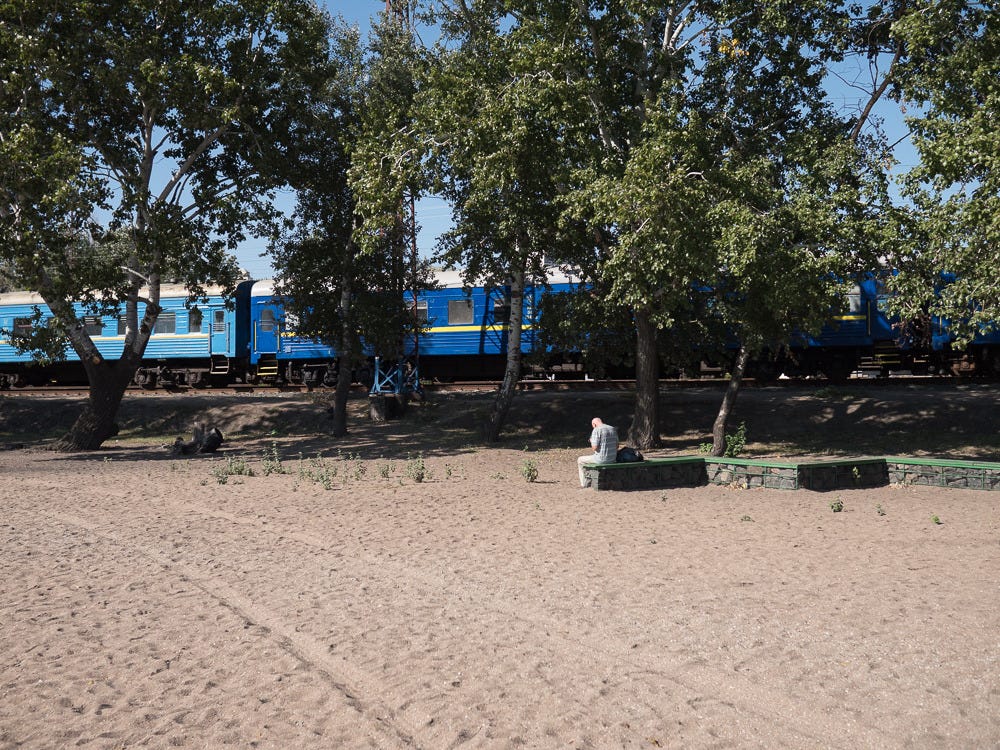
The traffic jam is a great metaphor. What restrictions in Ireland are only just being lifted?